

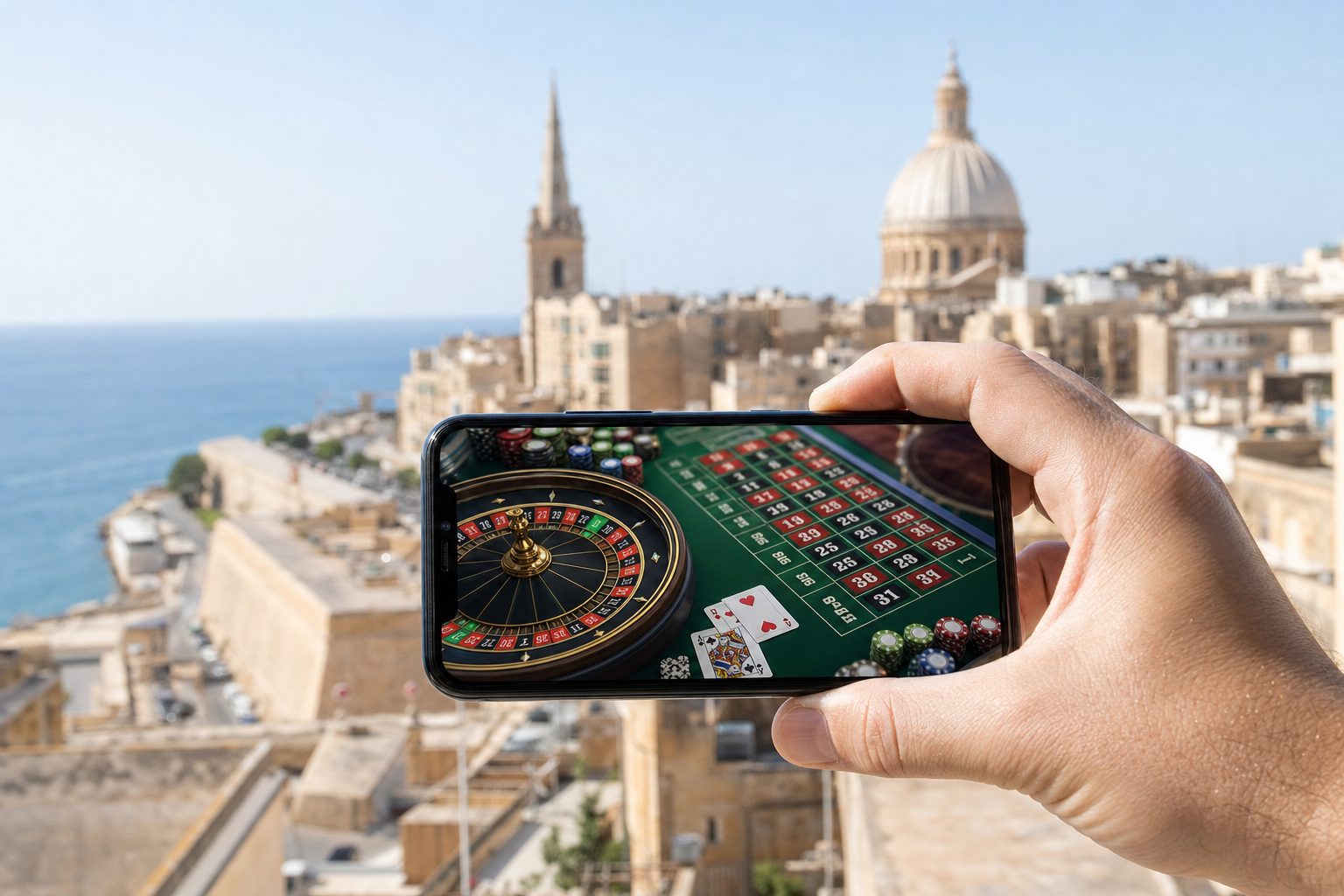
Anyone comparing the top online casinos in Malta in 2026 is looking at one of the most mature regulated markets in Europe. The island is small, but its rules and licences shape online gambling well beyond its shores. Here is what players need to know before signing up anywhere.
A Small Island With an Outsized Industry
Malta became the first EU member state to regulate remote gaming when it introduced its Remote Gaming Regulations in 2004, the same year it joined the European Union. That early start attracted operators looking for a stable, EU-based licence, and the sector grew into one of the country’s most important industries alongside tourism and financial services.
Today the island hosts a dense cluster of operators, game studios, payment firms and compliance specialists. Every November the industry’s attention turns to Malta again for the SiGMA Europe conference, which has become one of the busiest events on the iGaming calendar. For players, the practical upshot is choice. Many of the brands available to Maltese residents are run from offices a short drive from their homes.
How Regulation Works
Online casinos Malta players use locally should be licensed by the Malta Gaming Authority, the regulator that grew out of the Lotteries and Gaming Authority set up in 2001. The current framework rests on the Gaming Act of 2018, which replaced the old multi-class system with two main licence types: a B2C licence for companies offering games to the public and a B2B licence for suppliers such as game studios and platform providers.
Licensed operators have to meet requirements on player funds, anti-money-laundering checks, game fairness and responsible gambling. The MGA publishes a public register of licensees, so any player can check whether a site’s licence number is genuine. If a casino displays an MGA seal but does not appear on the register, that is a serious red flag.
Malta’s approach has not been without controversy. A 2023 amendment to the Gaming Act, widely known as Bill 55, aimed to shield Malta-licensed operators from certain foreign court rulings. It has drawn criticism from courts and regulators elsewhere in Europe, particularly in Germany and Austria, and the debate is still running.
What Players Should Check Before Signing Up
The best online casinos Malta has to offer tend to look similar on the surface: big game libraries, welcome offers and slick mobile apps. The differences that matter are less visible. Before registering, players should look at:
- The licence. Confirm it on the regulator’s register, not just in the site footer.
- Withdrawal terms. Processing times, limits and any fees for cashing out.
- Bonus wagering. A large headline bonus with heavy playthrough requirements can be worth less than a modest one with fair terms.
- Verification rules. Licensed sites must check identity and age. Expect to upload documents, ideally before the first withdrawal rather than during it.
- Support and complaints. A working live chat and a clear complaints procedure are basic signs of a serious operator.
Payments in 2026
Because Malta uses the euro, local players avoid currency conversion at euro-denominated sites. Debit cards remain common, while e-wallets and instant bank transfers have become the usual route for faster withdrawals. Some operators now process verified withdrawals within hours rather than days, and speed has become one of the main ways brands compete.
Credit cards are a different story in several European markets, where regulators have restricted their use for gambling. Players should not assume every payment method on a site is open to them, since availability often depends on where they live.
Live Casino and Mobile Play
The biggest shift of the past few years has been the move to mobile. Most players now visit an online casino Malta-licensed or otherwise on a phone, and operators design for small screens first. Live dealer tables, streamed from studios with real croupiers, have grown from a niche into a core part of most game lobbies, alongside game-show formats with multipliers and bonus wheels.
Slot libraries keep expanding, too, with many titles developed by studios based in Malta itself. For players, that means more choice but also more noise, which is why reputation and licensing matter more than the size of a game count.
Responsible Play
Gambling in Malta is restricted to adults aged 18 and over. MGA-licensed operators must offer tools such as deposit limits, session reminders, time-outs and self-exclusion. These tools work best when they are set up at the start, not after a losing streak. Anyone who feels their play is slipping out of control should use them and seek support from local services.
The Bottom Line
Malta’s online casino market in 2026 is crowded, competitive and closely regulated. That works in players’ favour, as long as they do the basic checks. A verified licence, clear withdrawal terms and fair bonus conditions say far more about a casino than its advertising does. Players who start there will find that the island’s long experience with regulation gives them solid protection.